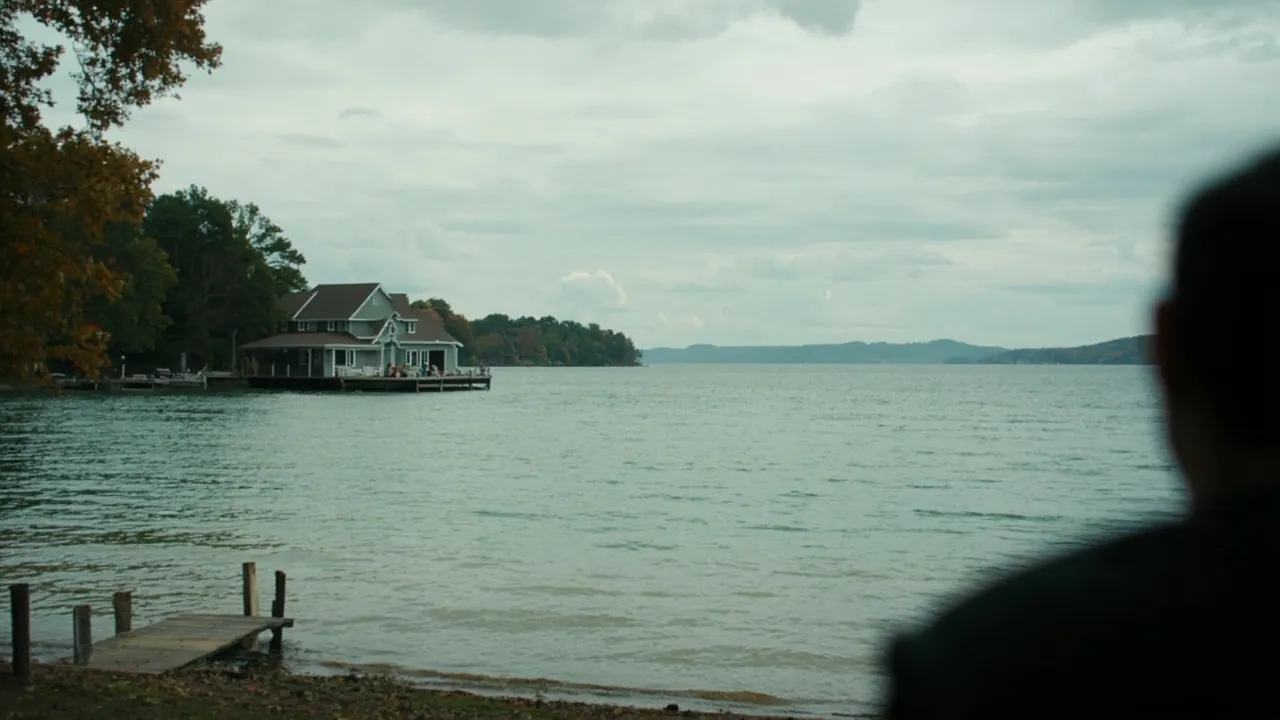
In a landmark ruling on November 17, 2026, the Virginia Court of Appeals settled a long-standing family dispute over a lakeside home at Smith Mountain Lake in Bedford County. The court clarified that Joan Cabaniss owns half of the property, while her late husband's children inherited his half through his will. One of those children later signed his share over to another couple, leading to a complex ownership tangle.
The dispute centered around a 1983 deed that gave the Smith Mountain Lake property to Joan and James Cabaniss jointly and equally. The court determined that this wording created joint ownership without automatic transfer rights under Virginia law, which became the heart of the fight. Despite each spouse owning half of the home, James's half did not automatically go to Joan when he passed away in 2016 but became part of his estate and followed the instructions in his will.
James and Joan had a blended family, and their wills reflected this arrangement. James's will gave Joan the right to stay in the home for as long as she wanted, while stating that it should be sold if she chose to move out, with his share going to his two children, Karla Denney and Keith Cabaniss. Six years after James's death, Joan filed a written declaration stating her intention to live in the house for the rest of her life. This declaration, along with other transfers and deeds, further complicated the ownership questions.
The Bedford County Circuit Court weighed the different readings of James's will and ruled in February 2024 that Joan was a co-owner with the right to ask for a partition sale. The lower court also found that Karla and Keith did not own direct future shares in the home but treated their inheritance as a cash gift that would only be paid from sale money if Joan chose to move out. The court dismissed the claim brought by the Tucks, ruling that Keith's quitclaim deed had passed no property rights to them. Karla and the Tucks appealed parts of that ruling, leading to the combined appeals.
In its November 17 written opinion, the Virginia Court of Appeals reviewed the original deed and the exact wording of James's will. The judges explained that the 1983 deed created shared ownership without survivorship rights, meaning that James's half passed to his heirs when he died rather than automatically going to Joan. The court confirmed that Joan kept her original half share, while James's children inherited his half under the will's catch-all clause. The judges also rejected the claim that Joan had received a life estate, which would have allowed her to use the property for the rest of her life.