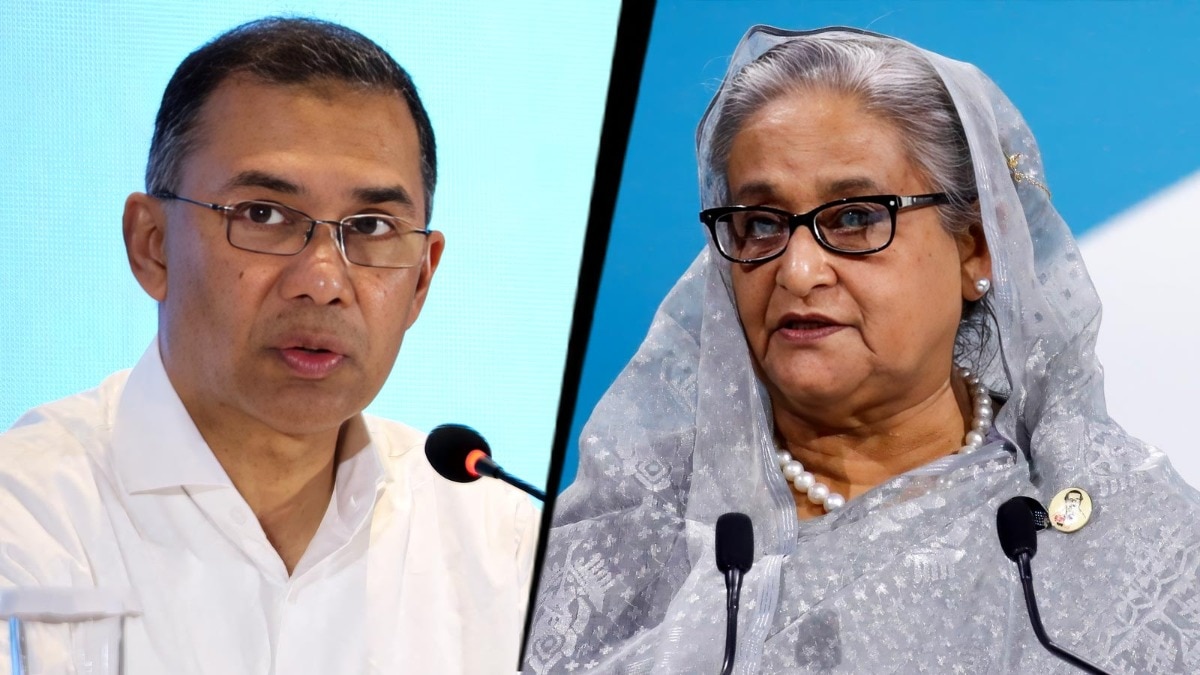
Amid a surge in violence and arson across Bangladesh, Prime Minister Tarique Rahman has accused his political rival Sheikh Hasina and her supporters of plotting unrest from abroad. Speaking at a rally organized by the Lalmonirhat district unit of the Bangladesh Nationalist Party (BNP), Rahman implied that Hasina's allies were conspiring to please "masters" in a country "across the border," an apparent reference to India without directly naming it. The Awami League, led by Hasina, was banned by the interim government after her ouster following the 2024 uprising.
In a series of strong remarks directed at Hasina, Rahman accused her political camp of conspiring from abroad to destabilize Bangladesh. He stated that despite fleeing the country, they have continued their politics of arson and violence. Relations between Dhaka and New Delhi soured after Hasina's removal and have improved somewhat since Rahman took office in February.
This week, the violence has spread beyond political rallies and street protests, with attacks reported on buses, railway facilities, shops, offices, and houses across Bangladesh. Two BNP leaders were killed in an attack on a political procession in Narail, while a bus helper was killed in a separate arson attack in Pirojpur. The Daily Star also reported fires targeting Grameen Bank offices, political establishments, and homes linked to political figures.
In response to the unrest, Rahman called on political parties that participated in the July uprising to stand together and urged citizens to resist what he described as renewed violence by the Awami League. He emphasized that people are no longer interested in political confrontation that threatens their lives and livelihoods. The Bangladesh government has accused Awami League figures outside Bangladesh of encouraging the violence, while many party leaders remain in hiding.
The tensions have intensified over Hasina’s stated plan to return to Bangladesh in December after more than two years. Her request for a fresh Bangladeshi passport and national identity card through the country's High Commission in New Delhi was rejected by Dhaka, insisting that she must be brought back under the India-Bangladesh extradition treaty. The prospect of her return has further fuelled tensions, particularly after Bangladesh's International Crimes Tribunal sentenced her to death in absentia over the crackdown on protesters during the 2024 uprising. Hasina has rejected the proceedings and denied wrongdoing.
On Friday, India's Ministry of External Affairs spokesperson Randhir Jaiswal stated that Hasina's extradition was a legal matter and would be handled accordingly. The ongoing political confrontation and potential return of Sheikh Hasina continue to pose significant challenges for bilateral relations between Bangladesh and India.