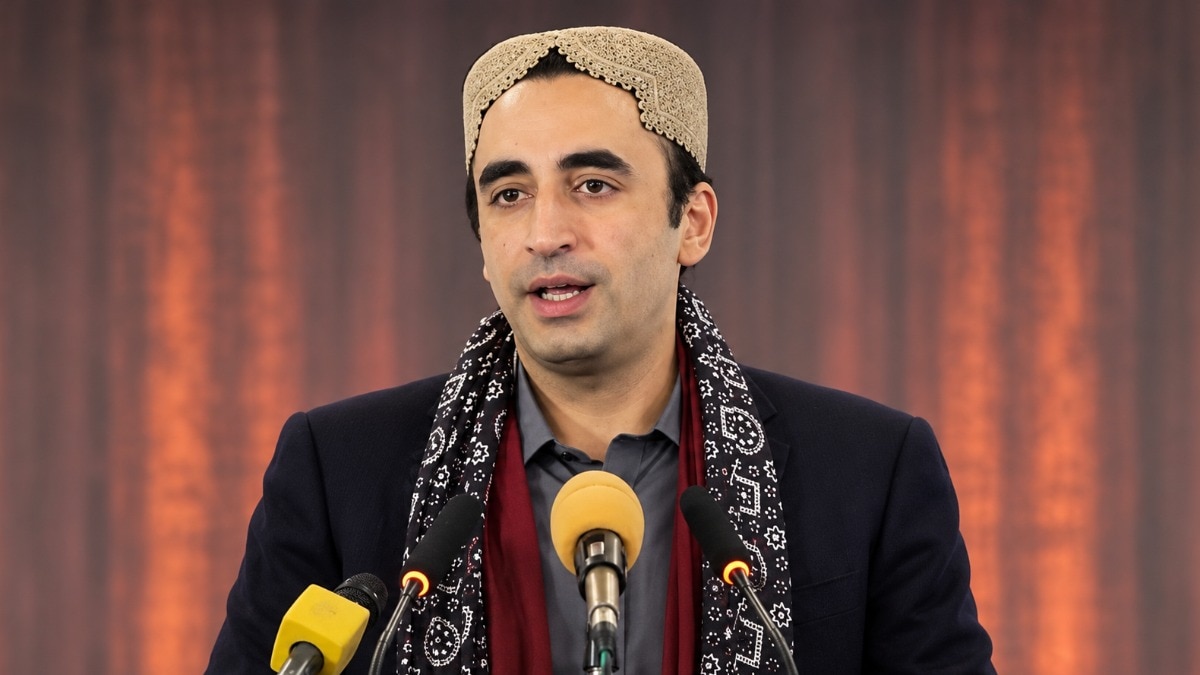
Pakistan is on the brink of a political crisis as Pakistan Peoples Party (PPP) chairman Bilawal Bhutto-Zardari has threatened violence in Karachi if Sindh province is forcibly divided. This warning comes days after Pakistan's Interior Minister Mohsin Naqvi, a close aide of Army chief Asim Munir, proposed a referendum on creating new provinces within the Islamic Republic. Bilawal's warning is significant as his PPP (with 74 seats) is a partner in the ruling coalition led by Shehbaz Sharif's PML(N). The PPP leader also accused former Prime Minister Imran Khan of being a "political prisoner" and called for an end to the political victimization of civilian leaders.
The proposed division has been a contentious issue for months, with Naqvi arguing that Pakistan's existing administrative structure had "collapsed" and needed an overhaul. However, the proposal has become particularly contentious in Sindh, where the PPP fears that creating new units could lead to the division of the province, including its capital Karachi. The discussions also include granting Islamabad separate provincial status and settling the issue before the March 2027 elections to the Senate (Upper House of Pakistan's Parliament).
Bilawal has repeatedly questioned the constitutional basis, government intentions, and lack of consultations with the PPP and President Asif Ali Zardari (his father and PPP patriarch) regarding Naqvi's proposal. The Assembly in Sindh, ruled by the PPP and its traditional stronghold, has passed resolutions opposing the division of the province, including one in September 2026. Bilawal maintains that any attempt to divide Sindh against the wishes of its people could lead to violence extending beyond Karachi and affecting other cities like Hyderabad, Mirpurkhas, Tando Allahyar, and Nawabshah.
The controversy has drawn attention in Pakistan's political circles, with some even commending Bilawal for acknowledging his own role in the country's political troubles. The PPP chairman admitted that he had a hand in bringing the system to collapse. The future of Pakistan's internal structure remains uncertain as the government and opposition parties grapple with this divisive issue.