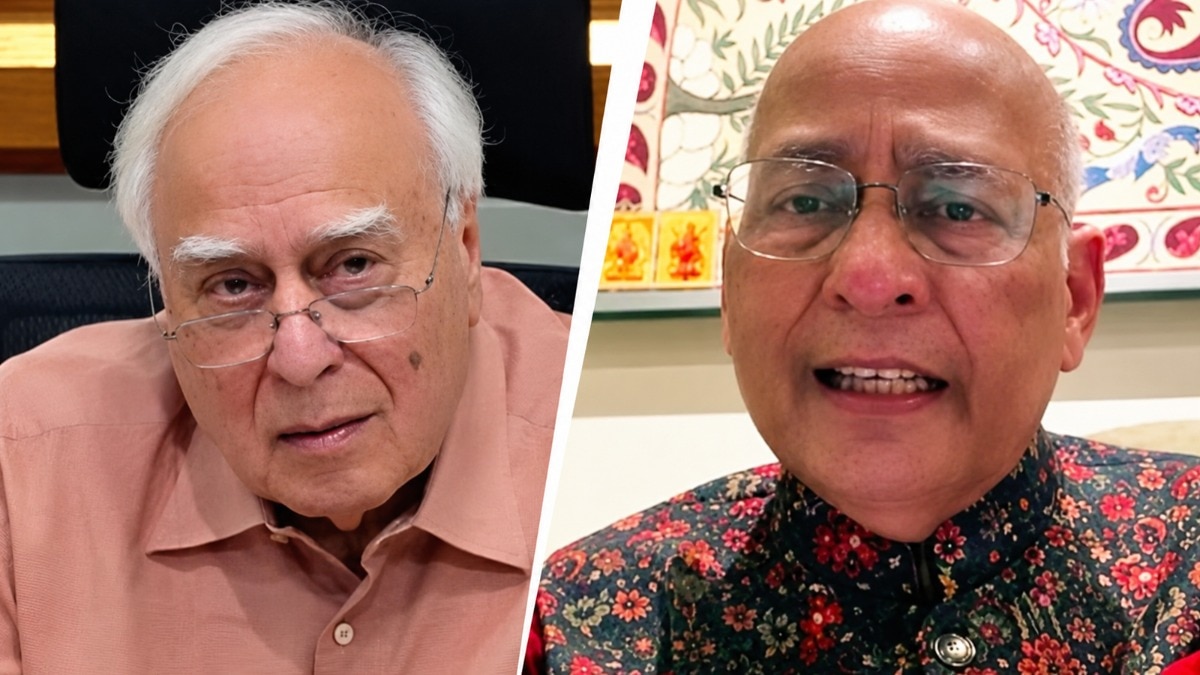
A legal dispute within the TVS family over the division of business assets has sparked controversy, raising questions about inheritance rights and the distribution of family wealth. Senior advocate Kapil Sibal, representing Lakshmi Venu and her mother Mallika Srinivasan, has challenged TVS Motor Chairman Emeritus Venu Srinivasan's reported allocation of 95% of the family business to Lakshmi's brother Sudarshan Venu. In separate interviews with Business Today TV, both sides presented their cases.
Sibal argues that the businesses have been built over generations and should not be treated as personal property belonging solely to Venu Srinivasan. He contends that Lakshmi was informed through newspaper reports of the alleged allocation of 95% of the family business to her brother, which she finds unfair and has questioned repeatedly. Citing amendments to Tamil Nadu's Hindu Succession Act, Sibal maintains that daughters have equal rights in joint family property.
One central disagreement concerns a memorandum of understanding signed by the four immediate family members in March 2024. Sibal argues that this agreement dealt with the management of companies and did not amount to Lakshmi surrendering her beneficial ownership in the family assets. He also questions Venu Srinivasan's assertion that he can distribute the assets as he wishes, drawing a distinction between self-acquired property and wealth inherited through generations.
Presenting Venu Srinivasan's side of the dispute, senior advocate Abhishek Manu Singhvi cautions against the impression that the entire pool of assets is ancestral property. He claims that a written family settlement reached in 2017 addressed the distribution of assets and management responsibilities among family members, including Lakshmi.
The TVS family feud continues to unfold, with Lakshmi Venu seeking an equal share of the family's assets under the Hindu Succession Act and her father, Venu Srinivasan, maintaining that the assets were divided fairly after consultations with family members. The disagreement highlights the complexities surrounding women's inheritance rights in business families, particularly whether management control can be separated from ownership and how inherited assets can be distributed among children.