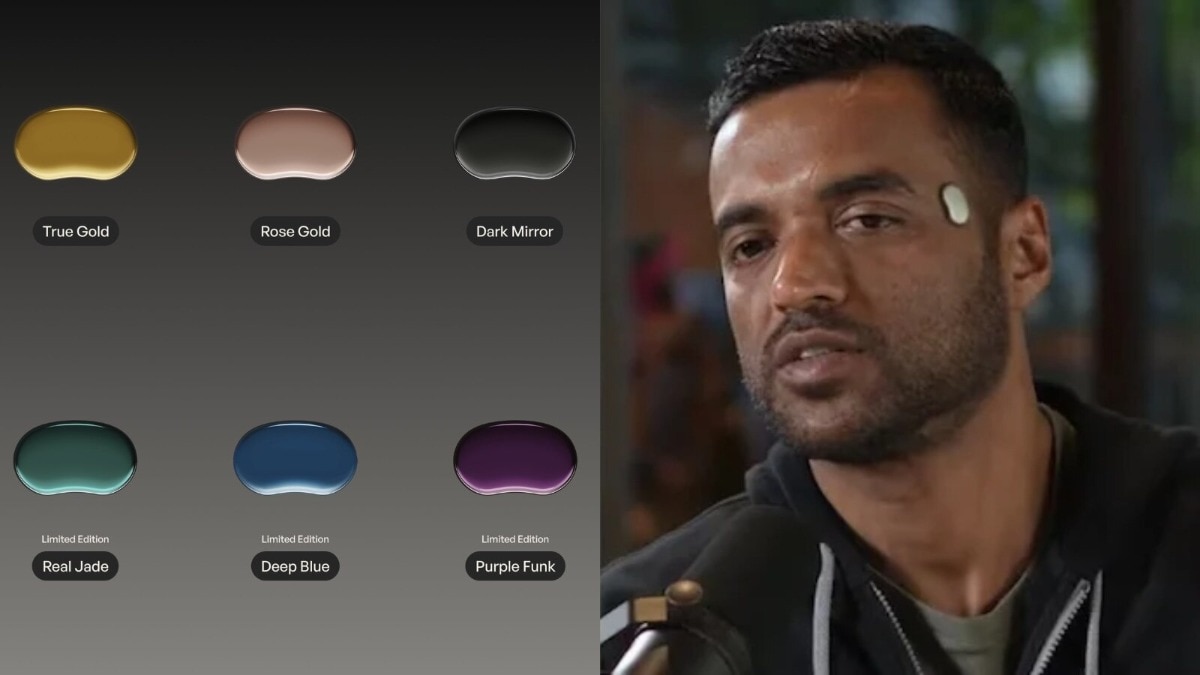
Deepinder Goyal's wearable device, Temple, has sold out of its first batch before shipping begins, leaving potential buyers with no choice but to join a waitlist. The company announced the sell-out on its official website and is now accepting registrations for those interested in purchasing the device, which is scheduled to reach buyers in early 2027. Goyal's Zomato co-founded wearable has attracted attention due to its claimed ability to monitor blood flow to the brain, but questions have been raised over its scientific validity. In a recent social media post, Kerala-based hepatologist Dr Cyriac Abby Philips questioned why orders were being taken for a device without publicly available research supporting its original claims.
Meanwhile, Goyal has emphasized the fitness and AI features of the Temple wearable, describing it as a precision fitness tracker equipped with Roomdeaf Audio technology that uses motion sensors to pick up the wearer's voice without a microphone. The device also promises to track heart rate, sleep, HRV, and VO2 max. Goyal revealed that his mother helped discover the Temple project while researching her Parkinson's disease, leading him to put together a team to build an instrument that could measure cerebral blood flow. Close to $30 million has been spent developing the device, with Goyal contributing $20 million of his own money.
Critics have accused Temple of making unsupported scientific claims, particularly regarding its ability to monitor blood flow to the brain. Dr Cyriac Abby Philips disputed whether a sensor positioned over the superficial temporal artery can provide measurements of blood flow inside the brain and accused the project of exaggerating its scientific findings. Despite the criticism, Goyal has defended the device's capabilities and emphasized its potential for collecting physiological data that conventional wearables may not capture effectively. For now, buyers who missed out on the first batch will have to wait for another opportunity, with shipping scheduled to begin in early 2027.