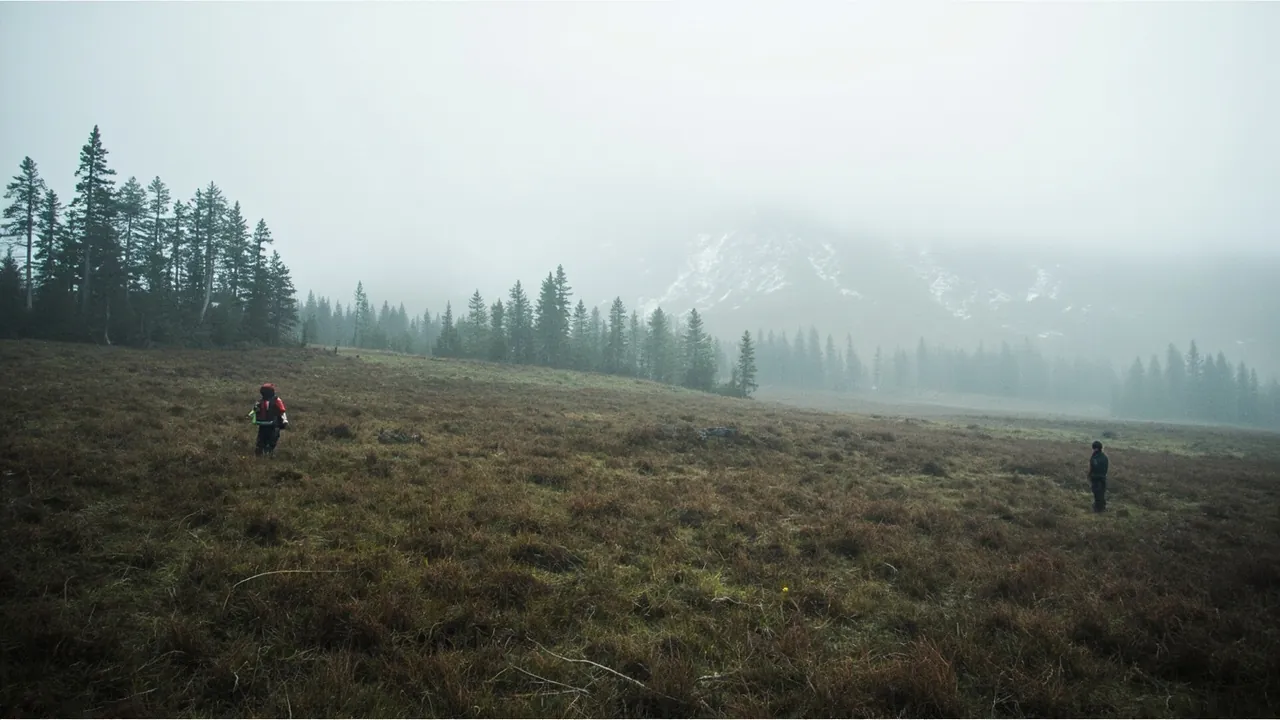
The breathtaking Scottish Highlands are set for a dramatic transformation as a 100-year conservation project, spearheaded by the Durrell Wildlife Conservation Trust and Planet Wild, aims to restore the region's degraded natural ecosystems. Currently in its third year, the initiative focuses on restoring a vast 7,500-hectare estate within the Cairngorms National Park using cutting-edge technologies like drone mapping, wildlife monitoring, and innovative conservation techniques.
For centuries, human activities have taken a heavy toll on Scotland's natural biodiversity, with forests cleared, wetlands drained, rivers altered, and predators eliminated. A recent documentary highlights how these actions have left the landscape stunning but ecologically impoverished, with over 90% of native forests disappeared, around 80% of peatlands damaged, and nearly half of natural biodiversity lost.
The restoration project believes there is still hope for reversing some damage done, as noted by filmmaker Cameron Nicoll in the documentary. The Durrell Wildlife Conservation Trust has taken on the mission to transform a 7,500-hectare estate into a massive conservation and research site. Previously used as a private hunting reserve, the organization now seeks to restore its natural ecosystems through a long-term, science-led approach.
One of the project's main priorities is reviving Scotland's damaged peatlands, which store enormous quantities of carbon while supporting diverse wildlife. The team uses various technologies like peat probes, drone mapping, and bioacoustic sensors to monitor the recovery process, documenting individual tree growth, drainage channels, and wildlife activity.
The restoration initiative is crucial for several reasons. Firstly, peatlands are unique ecosystems that store twice as much carbon as all the world's forests combined while providing essential habitats for numerous species. Secondly, drained and degraded peatlands account for around 5% of human-made carbon emissions, making their restoration vital in the fight against climate change.
To restore the damaged peatlands, conservationists are reversing the drainage process by blocking old channels and retaining water within the landscape. This "zipping" technique involves using excavators to pull surrounding peat into existing channels and creating small pools that prevent water from escaping, helping restore the natural water table while creating new habitats for plants and animals. Drone mapping data helps the ecology team identify the most effective locations for restoration.