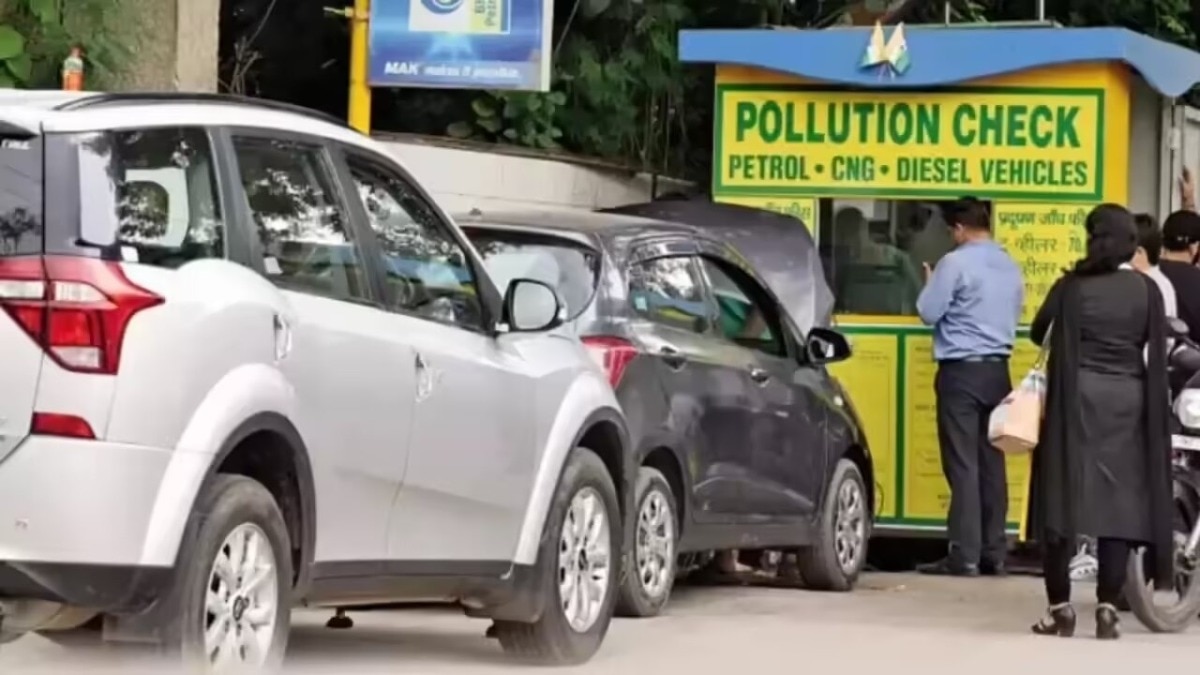
In a significant move aimed at addressing growing concerns over vehicular emissions and air pollution, the Ministry of Road Transport and Highways has revised the Pollution Under Control (PUC) certificate renewal schedule. The new rules, effective immediately, differentiate certificate validity based on both emission standards and vehicle age.
Under the revised rules, BS-I, BS-II, and BS-III vehicles will now have PUC certificates valid for three months, while BS-IV vehicles will be issued certificates with a six-month validity period. For private BS-VI vehicles, the validity will depend on their age. Vehicles up to six years old will receive certificates valid for three years, those aged over six years and up to 10 years will have to renew annually, and vehicles older than 10 years will require renewal every six months.
Commercial BS-VI vehicles follow a slightly different schedule. Commercial vehicles up to six years old will receive PUC certificates valid for two years. Those aged over six years and up to 10 years will have to renew annually, while vehicles older than 10 years will require renewal every six months.
The revisions offer longer validity to newer BS-VI vehicles while retaining shorter renewal cycles for older vehicles and those complying with earlier emission standards. The changes come as several Indian cities, including Delhi, continue to struggle with severe air pollution crises. It is important to note that these are the reported claims of the Ministry of Road Transport and Highways, and the exact impact on vehicular emissions and air quality remains to be seen.
In a bid to combat growing concerns over vehicular emissions and their contribution to air pollution, particularly in cities like Delhi, the Ministry of Road Transport and Highways has revised the Pollution Under Control (PUC) certificate renewal schedule. The new rules, effective immediately, offer longer validity periods for newer vehicles while retaining shorter renewal cycles for older vehicles.
Under the revised rules, BS-I, BS-II, and BS-III vehicles will now have PUC certificates valid for three months, while BS-IV vehicles will be issued certificates with a six-month validity period. For private BS-VI vehicles, the validity will depend on their age. Vehicles up to six years old will receive certificates valid for three years, those aged over six years and up to 10 years will have to renew annually, and vehicles older than 10 years will require renewal every six months.
Commercial BS-VI vehicles follow a slightly different schedule. Commercial vehicles up to six years old will receive PUC certificates valid for two years. Those aged over six years and up to 10 years will have to renew annually, while vehicles older than 10 years will require renewal every six months.
The Ministry claims that these revisions are intended to address the growing concerns over air pollution in Indian cities, with the longer validity periods offering a reprieve for newer BS-VI vehicles. However, it is important to note that these are the reported claims of the Ministry and the exact impact on vehicular emissions and air quality remains to be seen.
In a move aimed at addressing growing concerns over vehicular emissions and their contribution to air pollution, particularly in cities like Delhi, the Ministry of Road Transport and Highways has revised the Pollution Under Control (PUC) certificate renewal schedule. The new rules, effective immediately, differentiate certificate validity based on both emission standards and vehicle age.
Under the revised rules, BS-I, BS-II, and BS-III vehicles will now have PUC certificates valid for three months, while BS-IV vehicles will be issued certificates with a six-month validity period. For private BS-VI vehicles, the validity will depend on their age. Vehicles up to six years old will receive certificates valid for three years, those aged over six years and up to 10 years will have to renew annually, and vehicles older than 10 years will require renewal every six months.
Commercial BS-VI vehicles follow a slightly different schedule. Commercial vehicles up to six years old will receive PUC certificates valid for two years. Those aged over six years and up to 10 years will have to renew annually, while vehicles older than 10 years will require renewal every six months.
The Ministry claims that these revisions are intended to address the growing concerns over air pollution in Indian cities, with the longer validity periods offering a reprieve for newer BS-VI vehicles. However, it is important to note that these are the reported claims of the Ministry and the exact impact on vehicular emissions and air quality remains to be seen.