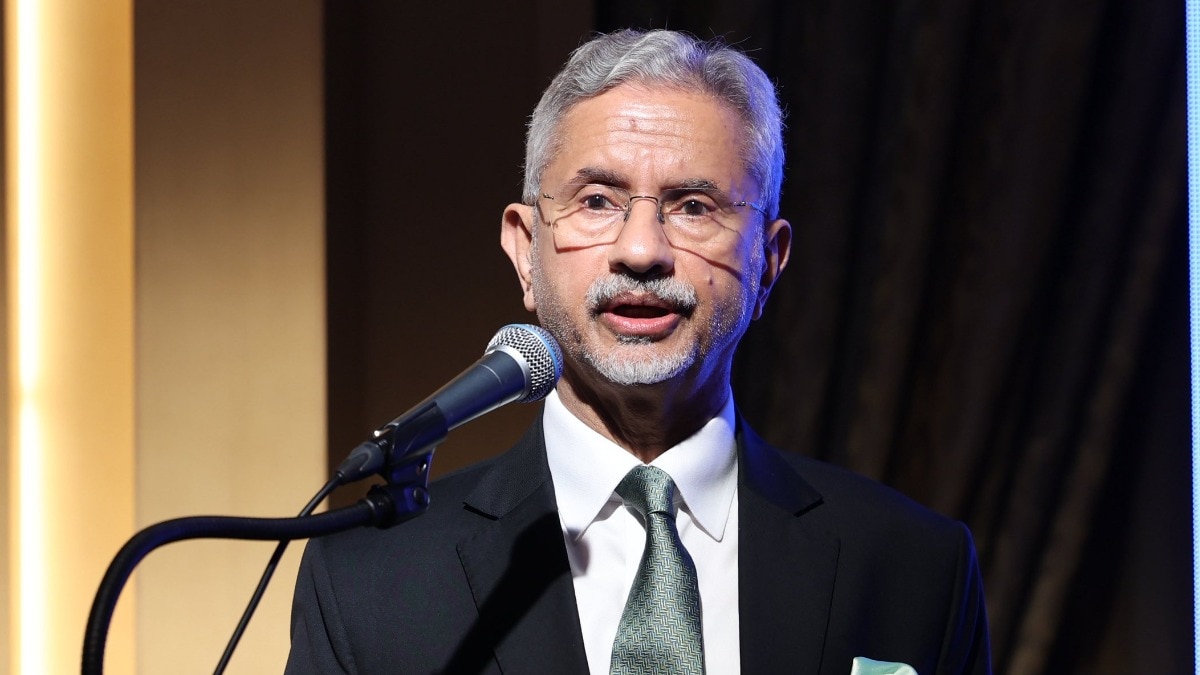
In a speech at the inaugural event of Raisina Tokyo 2026 in Japan, External Affairs Minister S. Jaishankar outlined five forces shaping the emerging world order. The era of globalization, established rules, and economic efficiency is giving way to one driven by strategic interests, security concerns, and trusted partnerships, according to Jaishankar.
The minister cited repeated shocks to the international system, such as the Covid-19 pandemic, major conflicts, trade disruptions, and economic volatility, as factors fundamentally altering how countries approach their international relationships. Countries can no longer rely on uninterrupted international trade, economic cooperation, or established supply networks during periods of geopolitical tension.
One of the most consequential changes identified by Jaishankar is the weaponization of economic dependencies, with countries using control over resources, energy, technology, financial systems, and market access to pursue strategic objectives. This trend has increased the importance of chokepoints and gateways, both physical and virtual, which include critical routes, infrastructure, and networks through which global trade, technology, and economic activity flow.
Jaishankar also highlighted greater risk-taking, de-risking and diversification, and the growing emphasis on trusted partnerships as defining features of the new world order. He emphasized the importance of India-Japan cooperation in this context, arguing that the changing global landscape has created a compelling reason for the two countries to strengthen their economic and strategic partnership.
The minister's speech comes amidst the backdrop of an increasingly competitive international environment, where countries are prioritizing reliable partners and diversified supply chains over traditional cost-efficiency considerations. Jaishankar noted that these five developments are particularly visible in the Indo-Pacific region, making closer cooperation between India and Japan increasingly important for promoting regional stability, economic growth, and freedom of choice.