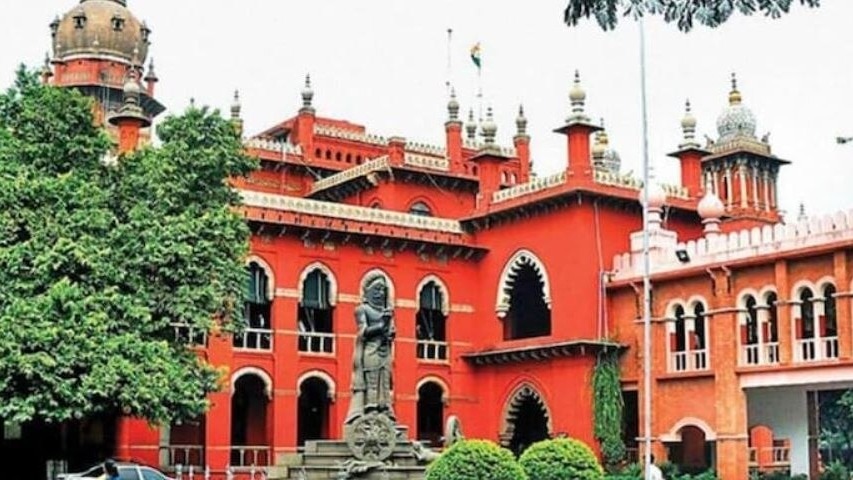
The Madras High Court has issued an interim injunction against music licensing company Novex Communications, preventing it from causing disruption or inconvenience to a Chennai couple's wedding celebrations. The court ruling comes after the couple challenged Novex's demand for a music license fee, citing potential embarrassment and irreparable harm if the company created a scene in front of their guests.
The couple had organized a wedding ceremony on the morning of November 15, 2026, followed by a cocktail event and dinner at the Taj Connemara ballroom in Chennai that evening. Novex claimed that playing recorded music at the event would violate its copyright interests and demanded payment of a licensing fee. The couple then approached the High Court seeking a declaration that Novex's threat of copyright infringement was unjustified, and they were not required to obtain a license or pay the company for playing music at their wedding-related celebrations.
The couple's lawyer argued that the event fell under an exemption provided by Section 52(1)(za) of the Copyright Act, 1957. This provision allows music and sound recordings to be played during religious ceremonies without requiring a separate copyright license, which also includes marriage processions and other social festivities associated with weddings. The lawyer contended that the cocktail event and dinner were part of the wedding celebrations and thus fell under this exemption.
Moreover, the couple had obtained a No Objection Certificate (NOC) from the Indian Performing Right Society (IPRS), which does not charge for granting permission to use sound recordings and soundtracks licensed to it. Additionally, the couple had hired an external event management company to arrange the music and were unaware of which songs would be played or whether Novex held the rights to any of those recordings.
Justice P B Balaji took note of Novex's communication to the hotel, in which the company acknowledged that the legal position on playing copyrighted music at wedding-related events remained disputed and was under judicial scrutiny. The company had referred to the issue as "at best, contentious and under active judicial scrutiny," with courts increasingly examining whether the wedding exemption was being used as a blanket defense against copyright claims.