World COPD Day is approaching on November 18, 2026, and this year, doctors are urging people to be aware that Chronic Obstructive Pulmonary Disease (COPD) can affect non-smokers as well. Dr. Ankit Kumar Sinha, a senior pulmonologist at Max Super Speciality Hospital, Vaishali, warns that the misconception of COPD being a smoker's disease can lead to many cases going unnoticed, especially in India. The day aims to raise awareness about early diagnosis, better access to treatment, and reducing exposure to risk factors.
COPD may not exhibit dramatic symptoms initially, making it difficult to detect. Symptoms like continuous breathlessness, a persistent cough, inadequate mucus production, and wheezing can be overlooked as signs of aging or poor fitness level. Recurrent chest infections, long recovery periods after respiratory illnesses, and trouble performing everyday tasks are also potential warning signs.
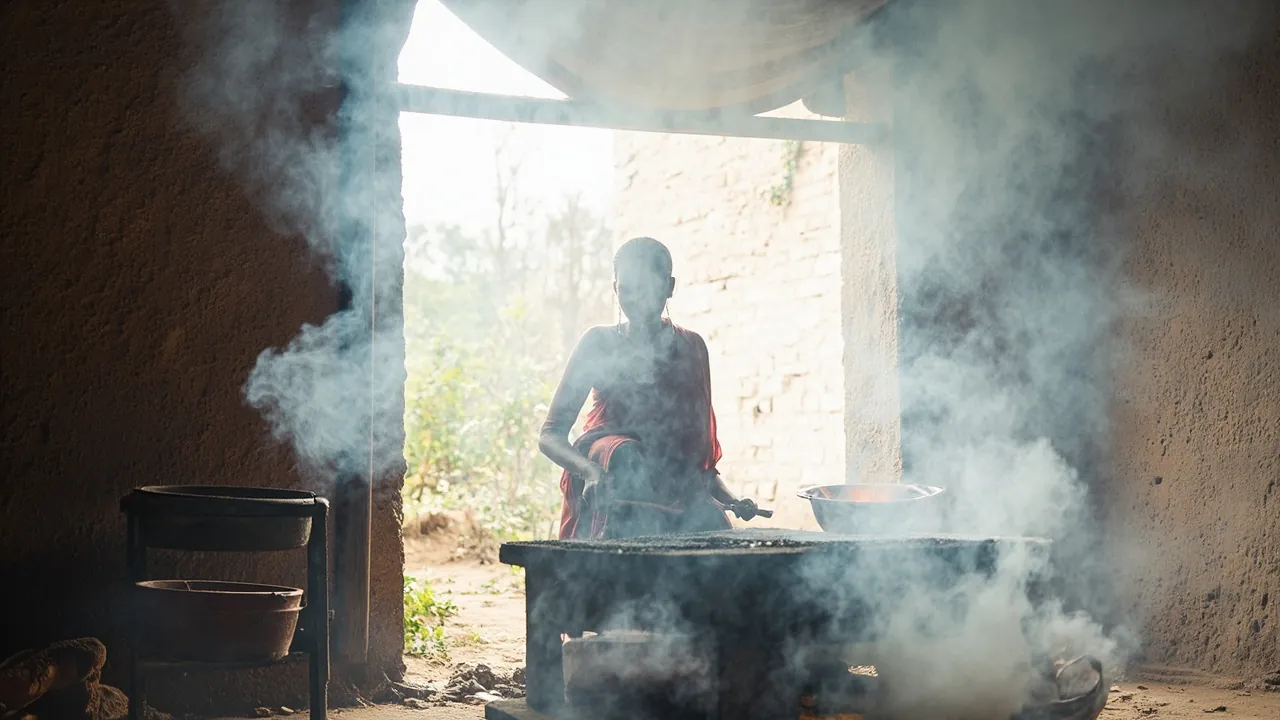
Indoor air pollution is a significant but often neglected factor contributing to COPD in India. People who use wood, coal, cow dung, and other biomass fuels for cooking are at risk, particularly when kitchen ventilation is poor. Exposure to outdoor pollution, chemicals used in factory operations, recurrent offenses, and heredity issues can also contribute to the development of COPD.
To reduce COPD triggers at home, Dr. Sinha suggests maintaining clean indoor air, especially during winter and periods of poor air quality. This includes avoiding smoking indoors, limiting the use of incense sticks and coils, improving kitchen ventilation, and using cleaner fuels wherever possible. Homes should be kept dust-free, and cleansing sprays and chemicals should not be used. On high pollution days, vigorous outdoor activities should be avoided, and doctors' recommendations for preventive measures should be followed. Asthma patients should use their inhalers regularly and properly. If there is a sudden change or worsening of symptoms, immediate medical attention should be sought.