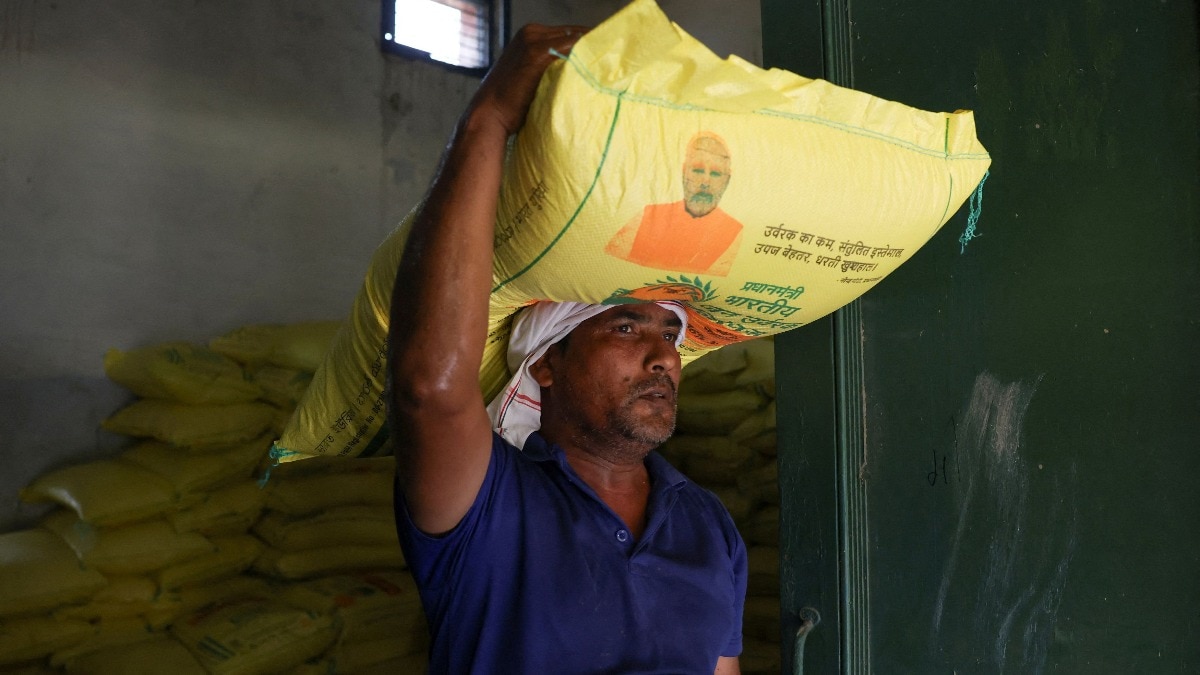
In a significant development, the Comptroller and Auditor General of India (CAG) has initiated an all-India performance audit into allegations of overuse and diversion of subsidised urea in 169 districts. The investigation focuses on potential smuggling activities linked to the fertiliser, which is a crucial input for Indian farmers.
Prime Minister Narendra Modi recently highlighted the significant price gap between international and domestic prices of urea, making it an attractive target for diversion and possible smuggling. The government has been spending over Rs 2 lakh crore annually on fertiliser support, with a large portion going towards urea subsidies.
The CAG's investigation will span two phases, with the first expected to conclude by mid-2027. The audit aims to examine various aspects of the urea subsidy system, including demand estimation, supply planning and movement, freight subsidy mechanisms, and systems designed to prevent misuse. It will also assess whether the long-running scheme of neem-coated urea has effectively reduced leakage.
Particular attention is being paid to border areas, with concerns raised about the potential export of subsidised urea through districts in Uttar Pradesh, Rajasthan, Punjab, and Bihar. The investigation follows reports of unusual patterns in e-way bills and trucks carrying fertiliser taking detours or making multiple stops instead of following their declared routes.
The CAG's comprehensive look at the urea subsidy system since 2011 will involve data sharing from departments such as the GST network, the agriculture ministry, and the railways. This will enable auditors to trace the full chain of production or import to the farmer's field, shedding light on potential smuggling activities and ensuring that subsidies intended for farmers are not being misused.