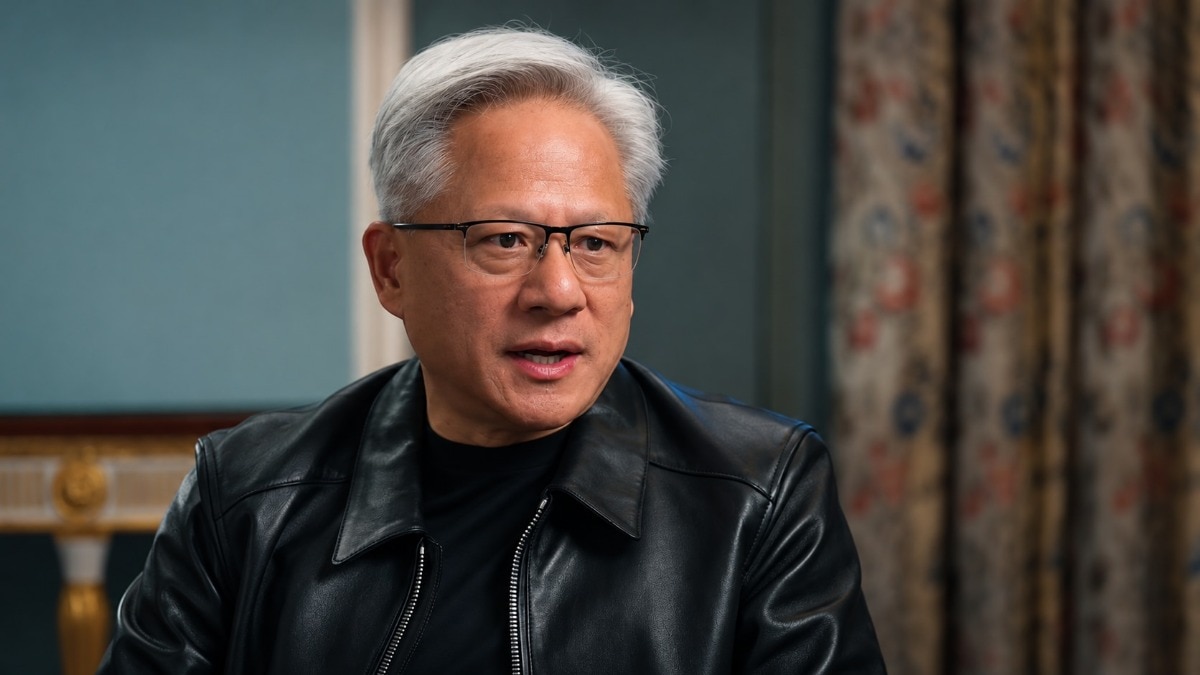
In a shocking turn of events, Nvidia's board is scheduled to meet on Wednesday to discuss the potential removal of CEO Jensen Huang due to personal misconduct allegations. The world's most valuable chipmaker faces growing controversy over Huang's reported ties to a Chinese businesswoman and an extramarital relationship with a senior executive, Kimberly Powell. If Huang is ousted, it could create a significant leadership void at the nearly $4 trillion company he co-founded in 1993.
The controversy began with reports about Huang's relationship with Alice Huang, a Chinese businesswoman linked to Nvidia chip shipments to Chinese companies by US intelligence. The scandal escalated when it was reported that Kimberly Powell, Nvidia's vice president of healthcare, was also involved in an affair with Huang. Huang declined to comment when contacted about the relationship, stating, "I don’t think you should be talking to me directly." Both Nvidia and Powell have yet to respond to requests for comment regarding the alleged relationship.
If Huang is removed, he would leave a major leadership vacuum at Nvidia as there is no clear successor in place. Huang owns approximately 3.6% of the company's shares and maintains close control over its operations. Analysts have expressed concerns about an immediate removal due to the lack of a clear succession plan.
The ongoing investigation by Nvidia's board into Huang's potential involvement in foreign intelligence operations adds another layer of complexity to the situation. Despite initial confidence in Huang, US President Donald Trump has voiced support for him, describing him as "an honorable guy" who has "done an amazing job for our country." However, Huang could still face scrutiny in Washington, potentially leading to a congressional subpoena if he fails to respond to a request for a closed-door briefing regarding his alleged relationship with the Chinese businesswoman and claims of information passing to Beijing.
The leadership uncertainty has rattled financial markets, with US stock futures declining and Nasdaq futures falling around 1%. Meanwhile, shares of rival chipmakers AMD and Broadcom have risen in anticipation of potential market share gains if Nvidia faces prolonged disruption. Demand for Nvidia's AI processors is unlikely to weaken immediately, but concerns are growing over the wider ecosystem of companies and investments tied to the chipmaker.
In 1993, Huang co-founded Nvidia alongside Curtis Priem and Chris Malachowsky. The company initially focused on graphics processors for computer gaming before expanding into general computing and eventually artificial intelligence. If Huang is removed, it will mark a significant shift in the leadership of one of the world's most influential technology companies.