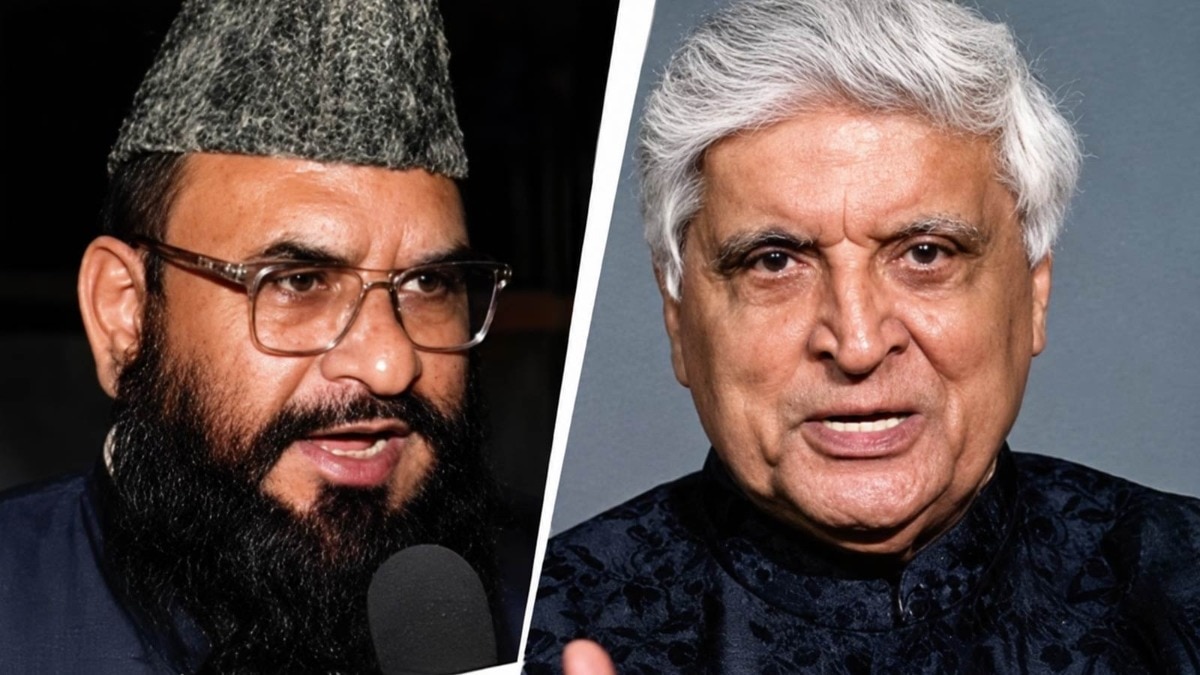
In a surprising turn of events, Maulana Sajid Rashidi, president of the All India Imam Association, has criticized veteran lyricist and screenwriter Javed Akhtar for praising the Ranbir Kapoor-starrer Ramayana and the ideals associated with Lord Ram. During a media interaction on Tuesday evening, Akhtar commented that Lord Ram was not merely a person but represented morality, a way of life, and certain aesthetics, adding that he is "in the blood of every Indian, whatever religion they follow." Rashidi responded by suggesting Akhtar change his name to Ram Pal, claiming it would help him earn respect from Hindus. He further accused Akhtar of making such statements for commercial gain and questioned his expression of faith in Lord Ram, given his public identification as an atheist.
In addition, Rashidi alleged that Akhtar's family members are involved in the film industry as producers, writers, and lyricists, suggesting that his comments were driven by business interests. He expressed his disapproval of individuals like Akhtar compromising their integrity for commercial gains. It is important to note that this incident comes after Akhtar's song "Mann se Ravan jo nikale, Ram uske mann main hai" from the film Swades received praise for its reference to Lord Ram.
It is essential to highlight that both parties have made their stances clear, with Rashidi expressing disapproval and Akhtar continuing to express his admiration for Lord Ram and the ideals he represents in Indian culture. This incident sheds light on the complex interplay of religion, art, and commercial interests in contemporary India.
In a surprising turn of events, Maulana Sajid Rashidi, president of the All India Imam Association, has criticized veteran lyricist and screenwriter Javed Akhtar for praising the Ranbir Kapoor-starrer Ramayana and the ideals associated with Lord Ram. Rashidi suggested that Akhtar change his name to Ram Pal to earn respect from Hindus, in response to Akhtar's comments during a media interaction on Tuesday evening where he expressed that Lord Ram represents morality, a way of life, and certain aesthetics.
Rashidi further accused Akhtar of making such statements for commercial gain and questioned his expression of faith in Lord Ram, given his public identification as an atheist. He also alleged that Akhtar's family members are involved in the film industry as producers, writers, and lyricists, suggesting that his comments were driven by business interests. This incident sheds light on the complex interplay of religion, art, and commercial interests in contemporary India.
It is essential to highlight that both parties have made their stances clear, with Rashidi expressing disapproval and Akhtar continuing to express his admiration for Lord Ram and the ideals he represents in Indian culture. This incident has sparked a wider debate about the role of religion in art and commerce in India.
In a surprising turn of events, Maulana Sajid Rashidi, president of the All India Imam Association, has criticized veteran lyricist and screenwriter Javed Akhtar for praising the Ranbir Kapoor-starrer Ramayana and the ideals associated with Lord Ram. During a media interaction on Tuesday evening, Akhtar commented that Lord Ram was not merely a person but represented morality, a way of life, and certain aesthetics, adding that he is "in the blood of every Indian, whatever religion they follow." Rashidi responded by suggesting Akhtar change his name to Ram Pal, claiming it would help him earn respect from Hindus.
Rashidi further accused Akhtar of making such statements for commercial gain and questioned his expression of faith in Lord Ram, given his public identification as an atheist. He also alleged that Akhtar's family members are involved in the film industry as producers, writers, and lyricists, suggesting that his comments were driven by business interests. It is important to note that this incident comes after Akhtar's song "Mann se Ravan jo nikale, Ram uske mann main hai" from the film Swades received praise for its reference to Lord Ram.
This incident highlights the ongoing debate about the role of religion in art and commerce in contemporary India. Both parties have made their stances clear, with Rashidi expressing disapproval and Akhtar continuing to express his admiration for Lord Ram and the ideals he represents in Indian culture.