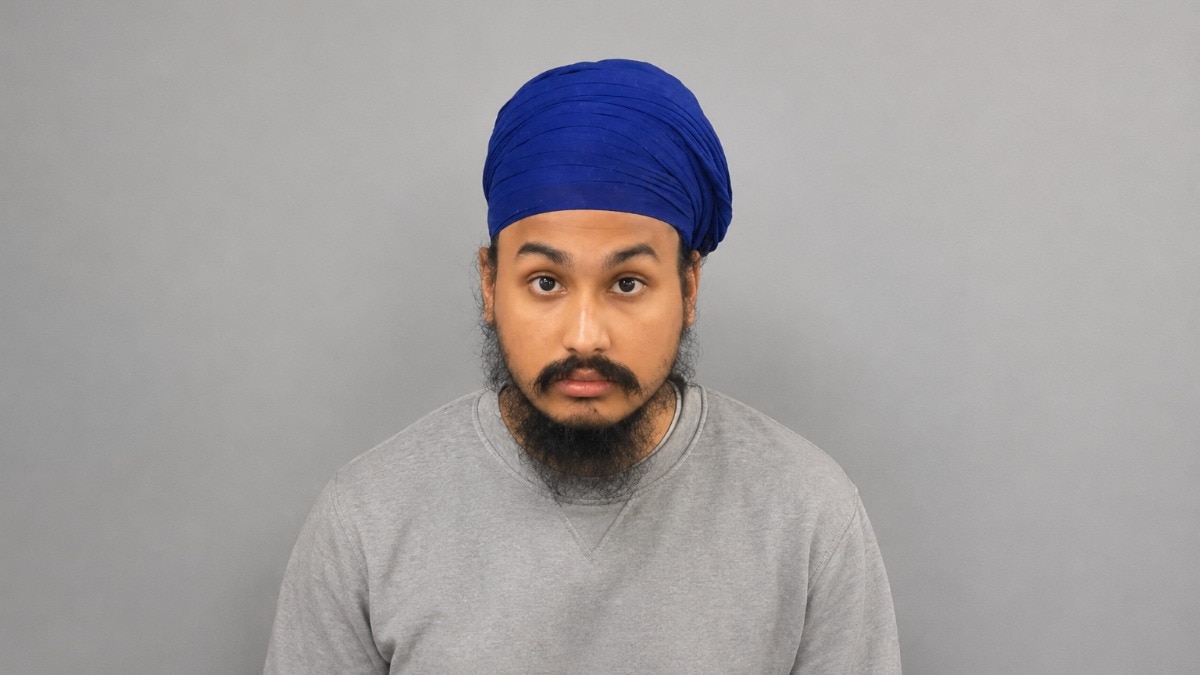
A Sikh man, Vickram Singh Digwa, serving a life sentence for murdering Henry Nowak in Southampton in 2025, has initiated an appeal against his conviction on four grounds. His legal team, Imran Khan and Partners, has submitted applications to both the original court and the Supreme Court, aiming to reconsider Digwa's conviction and the increased minimum jail term from 21 to 25 years. The appeals do not guarantee further hearings or a reconsideration of his case by either court.
One of the primary arguments in Digwa's appeal concerns WhatsApp messages found on Nowak's phone, allegedly containing racist language, which were reportedly discovered during a police examination of his device. These messages, sent when Nowak was around 13 years old, were deemed irrelevant by the trial judge and excluded as evidence during the trial. Digwa also challenges the use of a secretly recorded confession in which he admitted stabbing Nowak, arguing that it should not have been presented to the jury due to breaches of rules governing the admissibility of such evidence.
The victim, Henry Nowak, was a 18-year-old student from Chafford Hundred in Essex who was fatally stabbed on Belmont Road in Southampton on December 3, 2025. Digwa, aged 22 at the time, used a 21cm kirpan, a religious blade he carried as part of his Sikh faith, in the attack. During police questioning, Digwa claimed that Nowak had attacked and racially abused him. However, the trial judge subsequently found Digwa's claims of racial abuse to be false, with no evidence presented that Nowak was racist.
The increased minimum prison term for Digwa was decided by the Court of Appeal earlier this month, following an argument from the Attorney General that the original sentence was too lenient. The court raised Digwa's minimum term from 21 to 25 years, citing his repeated use of the kirpan and the "deliberate cruelty, additional suffering, and obstruction" that followed the stabbing as reasons for the uplift in sentence. Digwa's legal team is also seeking a Supreme Court review of how the Court of Appeal arrived at the revised sentence. The UK Supreme Court typically only takes up cases where there is a disputed point of law with broader implications.