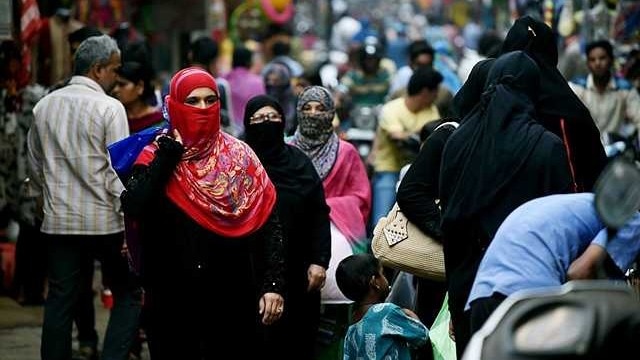
According to a new study by Pew Research Centre, India is projected to have the world's second-largest Muslim population after Pakistan by 2070. The study reveals a gradual change in India's religious makeup, with Muslims expected to increase from 15% to 20% of the population while Hindus will account for 76%. This shift is attributed to fertility rates and the younger age profile of Muslims. In 2020, Indian Muslims had a median age of 24 compared to 29 for Hindus. The study also predicts that by 2035, Muslims will overtake Christians as the world's largest religious group. India's Hindu population is expected to rise from 1.11 billion in 2020 to 1.29 billion by 2070, but its share of the total population is projected to decline. Pakistan and the US are expected to see a growth in their Hindu populations, with Pakistan's projected to nearly double.
SUMMARY CONTINUED:
The study also highlights that India's Muslim population will rise from 213 million (21.3 crore) in 2020 to 334 million (33.4 crore) by 2070, pushing it into second place among nations with the largest Muslim population. Indonesia, which currently has the world's largest Muslim population, is expected to be overtaken by Pakistan. Nigeria is projected to rank third, followed by India. Experts attribute this rise in India's Muslim population to their younger age and higher fertility rates. The study also predicts that Hindu fertility will continue to fall below the replacement level while Muslim fertility is projected to remain above it for another two decades.
SUMMARY CONTINUED:
It is important to note that these projections are based on current trends and may change depending on various factors. The study examined changes in seven religious groups across 201 countries, accounting for 99.98% of the world's population. The study also projects how the world's religious composition will change over the next five decades. Pew Research Centre is a non-partisan fact tank that conducts research on various social and demographic trends around the world.