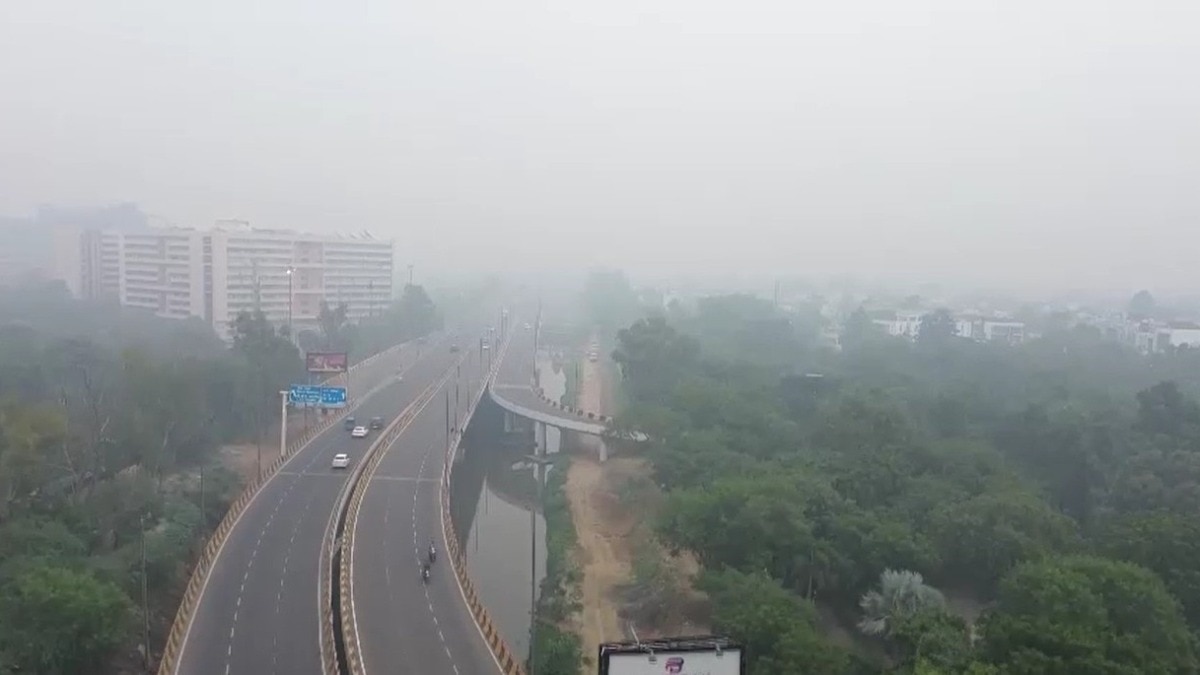
The Commission for Air Quality Management (CAQM) has lifted the restrictions under Stage III of the Graded Response Action Plan (GRAP) in Delhi-NCR due to a sustained improvement in air quality. The decision was made by the CAQM Sub-Committee on GRAP after assessing the pollution situation, with Delhi's daily average Air Quality Index (AQI) at 204. However, restrictions under GRAP Stages I and II will remain in effect across the National Capital Region. Authorities have been instructed to implement existing pollution control measures rigorously to prevent any further degradation of air quality.
The lifting of Stage III restrictions comes after the city's AQI climbed to 382 on November 6, categorizing it as 'Very Poor'. This decision follows weather forecasts by the India Meteorological Department (IMD) and the Indian Institute of Tropical Meteorology (IITM), which warned that adverse weather conditions could push pollution levels into the 'Severe' category. The restrictions were imposed amid deteriorating air quality, with Delhi's AQI fluctuating significantly over the following days.
The easing of Stage III measures will exempt certain categories of vehicles, construction and demolition activities, and some industrial operations from the curbs. This relief is expected to benefit construction activities, commuters, and businesses affected by the restrictions. Nevertheless, GRAP Stages I and II remain in force, enforcing restrictions on the use of coal and firewood in hotels and restaurants, tighter regulations on diesel generator sets, increased parking fees, mechanized road sweeping, and regular water sprinkling to control dust pollution. The CAQM will continue monitoring air quality across Delhi-NCR, with further decisions based on pollution levels, weather conditions, and forecasts. While the removal of Stage III restrictions offers a temporary respite, authorities stress that preventive measures must persist to avoid another deterioration in air quality.