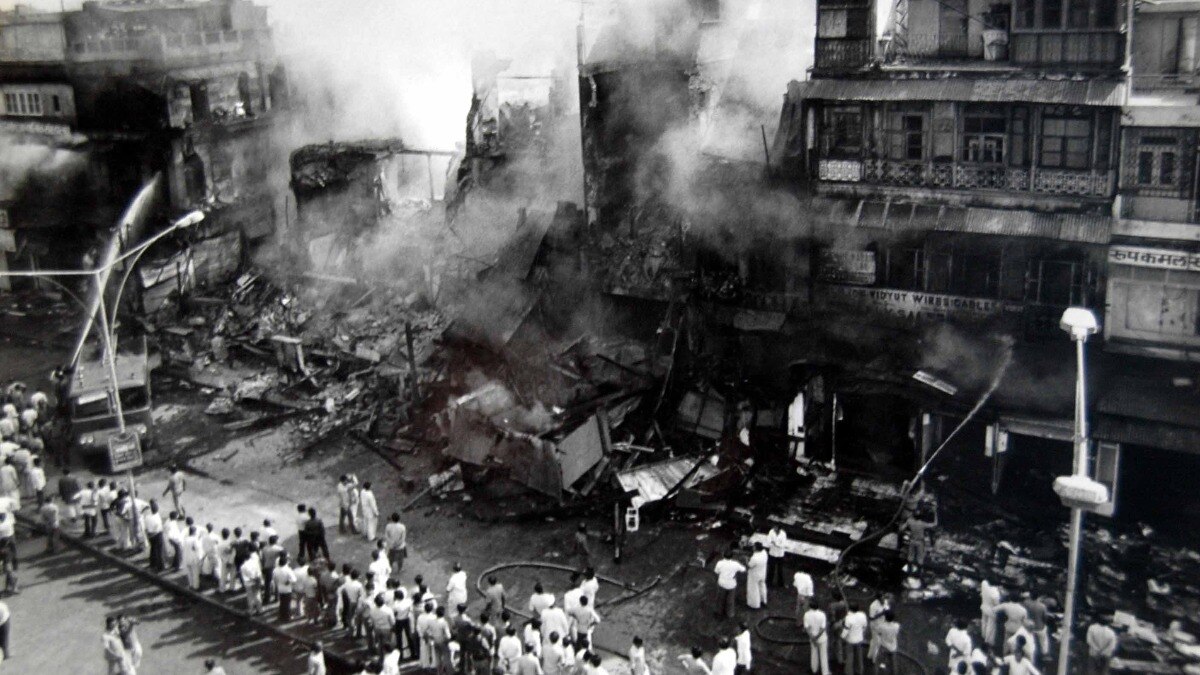
In her recently released memoir, Belonging, Congress leader Sonia Gandhi has sparked an intense debate by claiming a delay in the deployment of the army during the 1984 anti-Sikh pogrom. The riots, which followed the assassination of Prime Minister Indira Gandhi and her mother-in-law, are among the darkest chapters in modern Indian history and have long been blamed on Congress leaders. Sonia Gandhi claims that the Army was ordered to be deployed on October 31, 1984, but the delay was due to the military brass. However, Army Chief General AS Vaidya, in his submission to the Justice Ranganath Misra Commission set up in 1985 to investigate the riots, stated that soldiers had been deployed on October 31 itself but were never utilised. The delay, according to the Misra Commission report, was due to Delhi's Lieutenant Governor and the Police Commissioner, who insisted on assessing the ground situation before soldiers could be deployed. Had around 5,000 soldiers present in Delhi been pressed into service, the lives of at least 2,000 Sikhs could have been saved, according to the commission report. Several people have since countered Sonia Gandhi's accounts of the 1984 massacre, questioning her version of the timeline.
In her recently published memoir, Belonging, Congress leader Sonia Gandhi has stirred controversy by suggesting a delay in the deployment of the army during the 1984 anti-Sikh pogrom. The riots, which took place after the assassination of Prime Minister Indira Gandhi and her mother-in-law, are considered one of the darkest chapters in modern Indian history and have long been attributed to Congress leaders. Sonia Gandhi asserts that the Army was ordered to be deployed on October 31, 1984, but the delay was due to the military brass. However, Army Chief General AS Vaidya's submission to the Justice Ranganath Misra Commission, which was set up in 1985 to investigate the riots, contradicts this claim. According to Vaidya, soldiers had been deployed on October 31 itself but were never utilised. The delay, as revealed by the Misra Commission report, was due to Delhi's Lieutenant Governor and the Police Commissioner, who insisted on assessing the ground situation before soldiers could be deployed. Had around 5,000 soldiers present in Delhi been pressed into service, the lives of at least 2,000 Sikhs could have been saved, according to the commission report. Several people have since disputed Sonia Gandhi's accounts of the 1984 massacre, questioning her version of the timeline.
In her memoir Belonging, Congress leader Sonia Gandhi has reignited a debate over the 1984 anti-Sikh pogrom by suggesting a delay in the deployment of the army. The riots, which occurred following the assassination of Prime Minister Indira Gandhi and her mother-in-law, are considered one of the darkest chapters in modern Indian history and have long been attributed to Congress leaders. Sonia Gandhi claims that the Army was ordered to be deployed on October 31, 1984, but the delay was due to the military brass. However, this account contradicts statements made by Army Chief General AS Vaidya to the Justice Ranganath Misra Commission in 1985. According to Vaidya's submission, soldiers had been deployed on October 31 itself but were never utilised. The delay, according to the Misra Commission report, was due to Delhi's Lieutenant Governor and the Police Commissioner, who insisted on assessing the ground situation before soldiers could be deployed. Had around 5,000 soldiers present in Delhi been pressed into service, the lives of at least 2,000 Sikhs could have been saved, according to the commission report. Several people have since disputed Sonia Gandhi's accounts of the 1984 massacre, questioning her version of the timeline.